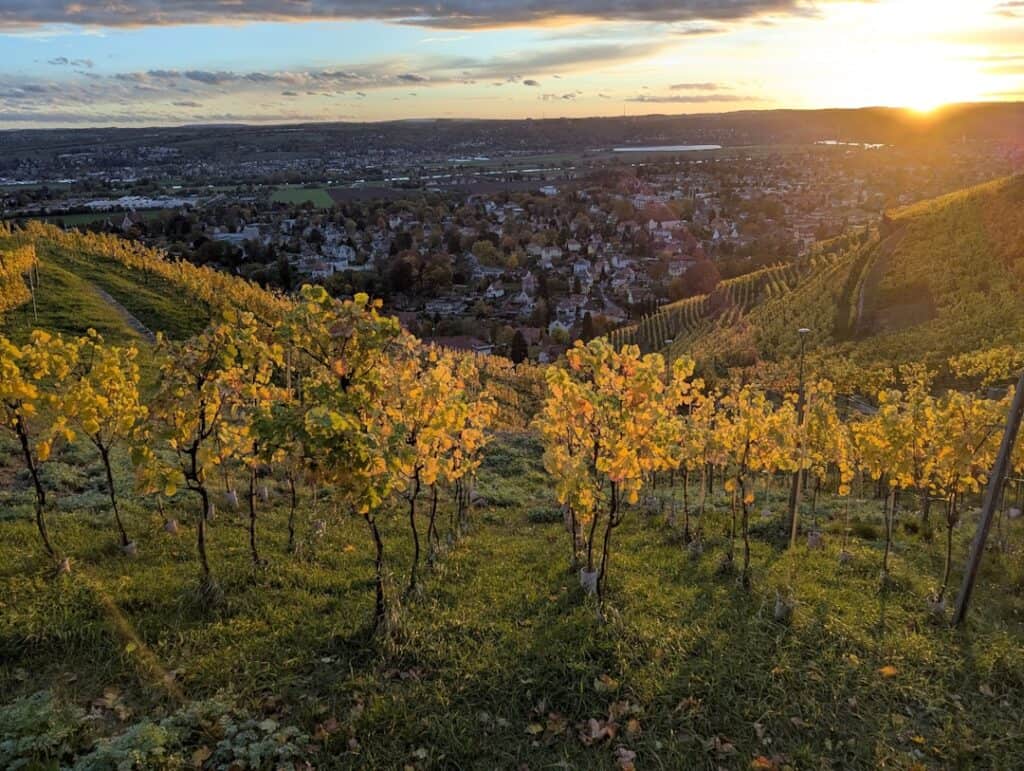
Traverse City sits at the base of two wine peninsulas — Old Mission to the north and Leelanau across the bay — making it the most practical base for exploring Michigan wine country. The city has a concentrated restaurant scene, direct flights from several Midwest hubs, and enough tasting rooms within a 20-minute drive to fill a long weekend without covering the same ground twice.
This guide covers the wineries worth building a trip around, where to stay, what to eat, and the practical details that make the difference between a smooth trip and a frustrating one.
Getting to Traverse City
Cherry Capital Airport (TVC) serves direct flights from Chicago (O’Hare and Midway), Detroit, Minneapolis, and several seasonal destinations. Check CheapOair for current fares to TVC. From Chicago, driving runs about four and a half hours via US-131 north. From Detroit, plan four hours. From Minneapolis, five and a half.
A car is essential — the peninsula wineries are spread across rural roads with no transit connections.
Where to Stay
Downtown Traverse City has several hotels within walking distance of the restaurant corridor. The Park Place Hotel anchors the downtown and has been in operation since 1930. For peninsula immersion, vacation rentals around Suttons Bay on the Leelanau side or along Old Mission Peninsula put you within minutes of tasting rooms — useful if you want to minimize driving time between stops.
Old Mission Peninsula Wineries
Old Mission Peninsula is compact — 18 miles long, rarely more than 3 miles wide — and sits almost exactly on the 45th parallel, the same latitude as Bordeaux. The configuration produces Riesling and Pinot Noir with natural structure that differentiates Michigan’s best bottles from generic cool-climate wines.
Chateau Grand Traverse
Michigan’s oldest Old Mission producer, founded 1974 by Ed O’Keefe. Address: 12239 Center Rd, Traverse City. Their Late Harvest Riesling and Ice Wine are the benchmarks for the appellation — the Late Harvest in particular has the structure to age a decade. Open year-round. Find their wines on Amazon.
Peninsula Cellars
A converted 1896 schoolhouse at 11480 Center Rd. Riesling, Gewurztraminer, and Pinot Grigio; the Gewurztraminer is one of the better examples in Michigan. Modest tasting fees. Find their wines on Amazon.
Brys Estate
Panoramic bay views at 3309 Blue Water Rd. Award-winning Pinot Noir; runs a seasonal sunset tasting series worth planning around. Find their wines on Amazon.
Bowers Harbor Vineyards
Victorian estate at 2896 Bowers Harbor Rd. Chardonnay and Pinot Grigio favored by local sommeliers. Lunch at the adjacent Bowers Harbor Inn pairs well with an afternoon tasting. Find their wines on Amazon.
2 Lads Winery
Modern fine-dining approach at 16985 Smokey Hollow Rd. Cabernet Franc and Pinot Noir on Michigan restaurant lists. Est. 2004. Find their wines on Amazon.
Leelanau Peninsula Wineries
The Leelanau Peninsula is more spread out than Old Mission — plan two days rather than one. The Leelanau Peninsula Vintners Association lists 27 member wineries in the appellation. Suttons Bay or Leland make good overnight bases if you want to avoid the drive back to Traverse City each evening.
Black Star Farms
Winery, inn, and creamery at 10844 E Revold Rd, Suttons Bay. The Arcturos Riesling appears on Chicago and Detroit restaurant lists. Staying at the inn lets you taste, eat, and wake up on the property. Find their wines on Amazon.
Shady Lane Cellars
Converted 1920s chicken coop at 9580 Shady Lane, Suttons Bay. Thirty estate acres; single-vineyard Riesling and Pinot Noir. The Arcturos single-vineyard Riesling is the flagship. Find their wines on Amazon.
Chateau Fontaine
Dry Riesling specialist at 2290 S French Rd, Lake Leelanau. Ridge views over Lake Leelanau. Est. 1994 — one of the appellation’s longer-running operations. Find their wines on Amazon.
Bel Lago Winery
Estate Cabernet Franc since 1987 at 6530 S Lake Shore Dr, Cedar. One of the oldest continuous Leelanau operations. For Michigan Cab Franc, this is the reference point. Find their wines on Amazon.
What to Drink
Riesling runs this region. The combination of Great Lakes moderation and the peninsula geography produces a style with natural acidity and structure that makes both dry and off-dry bottlings food-worthy. Order both styles wherever they’re available — the contrast tells you more about a producer than any single bottle. Pinot Grigio, Pinot Noir, Gewurztraminer, and — at the southern Leelanau producers who’ve been at it longest — Cabernet Franc round out the list of reliable bets.
Best Time to Visit
September and October are the peak months. Harvest is underway, the light is excellent, and the summer crowds have thinned. Most Leelanau tasting rooms run limited winter hours November through April — call ahead before making the drive. Summer weekends are manageable if you start early and avoid midday on the most popular stops.
For the full regional breakdown — including AVA details, seasonal hours, and the best stops on each peninsula — see the Michigan Wine Country Guide, the Leelanau Peninsula region page, and the Old Mission Peninsula region page.